Overview
The Weill Cornell Tri-Institutional Pain Fellowship is a 12-month, ACGME-accredited program that provides a comprehensive curriculum for training the next generation of leaders in Interventional Pain Medicine. Widely regarded as one of the top training programs in New York City and the country, the program incorporates core rotations at three of the nation's leading hospitals: NewYork-Presbyterian Hospital, Memorial Sloan Kettering Cancer Center, and Hospital for Special Surgery. Our fellows benefit from the close association between these three world-renowned hospitals. In fact, it is this breadth of experience that we—and our graduating fellows—feel makes our program so unique and unparalleled.
NewYork-Presbyterian Hospital
NewYork-Presbyterian/Weill Cornell Medical Center is a major international and regional tertiary referral center that is consistently ranked among the top hospitals in the United States. Fellows rotating through NYPH are exposed to an evidence-based and multidisciplinary approach to treating pain at a major academic hospital. The pain fellows' exposure to a wide variety of clinical cases—including cancer pain, spine-related pain, and other painful conditions such as CRPS—make this rotation unique. Clinical education time is split between our new Center for Comprehensive Spine Care, the Och Spine at NewYork-Presbyterian/The Spiral, and the Lower Manhattan office. All of our facilities have en suite fluoroscopy with daily procedures occurring that include ultrasound-guided procedures. Advanced pain therapies, such as spinal cord stimulation and intrathecal delivery systems, are a focus of this rotation.
Memorial Sloan Kettering Cancer Center
Memorial Sloan Kettering Cancer Center is the world's largest dedicated cancer hospital. The rotation here offers a unique opportunity for pain fellows to evaluate patients with all stages of malignant disease. Fellows are exposed to the latest in cancer pain management techniques including neurolytic blocks, vertebral augmentation, and intrathecal drug delivery systems. New and creative approaches to pain management are often necessary for improving quality of life in patients with advanced disease.
The Hospital for Special Surgery
The Hospital for Special Surgery is a world-famous orthopedics and rheumatologic hospital that has been continuously top-ranked by U.S. News & World Report for twenty years. In addition to providing a specialized orthopedic, rheumatologic and rehabilitation patient referral base, the clinical rotation at HSS offers a true glimpse of a busy pain management clinic from a private practice perspective. There is a focus on cervical and lumbar spine procedures. Advanced therapies include DRG stimulation and intravenous ketamine infusions for CRPS.
Fellowship Program
Didactics and Education
Weekly Teaching Time
Fellows have protected weekly teaching time throughout the year, regardless of their clinical responsibilities.
Every Monday morning from 7:15-8:00 am, there are Pain Medicine Grand Rounds. We have invited speakers who present throughout the year.
In addition, every Thursday morning from 7:15-8:00 am, fellows have weekly didactic sessions. A wide array of topics are covered such as Board Review and Business Management. There is a lot to cover in one year and we try our best to give our fellows the full spectrum!
Journal Club is held the first Friday of the month from 7:15-8 am, and on the third Friday of the month Cadaver Workshop from 7:30-10:00 am that provides fellows with hands-on practice of various techniques. During these sessions, the Pain Medicine faculty or invited guest speakers help to cover interventional techniques for different regions of the body. Journal Club and the Cadaver Workshop are hosted by the HSS faculty.
Finally, the fellows attend a month Anesthesiology Department conference for all the fellows in the department which covers non-clinical topics such as QI, wellness, research, healthcare disparities, communication and cultural competency, etc.
Educational Allowance
Fellows are given a generous educational allowance to help support their learning. Two Pain Management books are given at the start of the fellowship, and fellows receive additional reimbursements for presenting at conferences and for research published.
Conferences
We encourage our fellows to attend local and national conferences in order to meet other leaders in Pain Medicine. We give our fellows protected time and reimbursement to attend the New York & New Jersey Societies of Interventional Pain Physicians' Pain Medicine Symposium, as well as The Memorial Sloan Kettering Cancer Center Interventional Cancer Pain Symposium.
Some other conferences attended by fellows in the past include North American Neuromodulation Society Annual Meeting, American Society of Regional Anesthesia and Pain Medicine Annual Pain Medicine Meeting, and American Academy of Pain Management Annual Meeting.
Fellowship Curriculum
Rotations
During the 12-month cycle, each fellow rotates between NewYork-Presbyterian Hospital/Weill Cornell Medical Center, Memorial Sloan Kettering Cancer Center, and Hospital for Special Surgery as follows:
12-week rotation at Weill Cornell Medicine Center for Comprehensive Spine Care
12-week rotation at Memorial Sloan Kettering Cancer Center - Pain Department
12-week rotation at Hospital for Special Surgery - Pain Department
6-week rotation which is further subdivided working with both the Memorial Sloan Kettering Cancer Center – Physical Medicine and Rehabilitation Department and the Memorial Sloan Kettering Cancer Center – Neuroradiology Department. While working with the Physical Medicine and Rehabilitation Department, fellows have the opportunity to see patients in clinic, witness EMGs being conducted, be part of physical therapy sessions and custom orthotic fittings for patients. While working with the Neuroradiology Department, fellows have the opportunity to perform Vertebral Augmentation Procedures. This is a very hands-on experience much enjoyed by our fellows.
6-week rotation which is further subdivided working at both the Weill Cornell Medicine Upper West Side office and the Memorial Sloan Kettering Cancer Center – Psychiatry Department. While working at the West Side office, fellows see patients in clinic and perform interventional procedures daily in the en-suite fluoroscopy. While working with the Psychiatry Department, fellows have the opportunity to join the psychiatry team on inpatient rounding in the afternoon.
A Typical Work Day
- NewYork-Presbyterian Hospital/Weill Cornell Medical Center
Your day starts at the Weill Cornell Medicine Center for Comprehensive Spine Care at 8am. One fellow is assigned to seeing patients in clinic while the other fellow is assigned to doing procedures with the en-suite fluoroscopy or with the ultrasound machine. There is a 30-60-minute lunch break. The day typically finishes by 5pm for clinic and procedures. Roughly 1-2 times per week, fellows also rotate at the main hospital or the DHK building for intrathecal pump trials, intrathecal pump implants, spinal cord stimulator trials (including DRG), spinal cord stimulator implants, kyphoplasty, cooled RFA, and intracept. During the rotation, the fellows will rotate holding the pager for the clinic on-call service to answer any emergency calls from patients. During the 12-week rotation, fellows take about one weekend call per month in which they round on acute and chronic pain inpatients from 8am-1pm. The pager is then signed out and covered by the inpatient PACU resident for the remainder of the call. During the week, the chronic pain inpatient service is covered by our pain NP’s. There is a morning lecture from 7-8am on Mondays and Thursdays throughout the year.
You will also spend six weeks each at the Upper West Side clinic and the Lower Manhattan Pain Clinic. The day typically starts at 8 am, and finishes by 5pm. You will also have the opportunity to go to the OR 1-2 times per month. There is generally one call a month at HSS while on these rotations.
- Memorial Sloan Kettering Cancer Center - Pain Department
On the inpatient rotation, your day starts at 6:30am where you will perform regional blocks and thoracic epidurals for the first-scheduled OR cases. This is a great opportunity to learn and refresh your regional and ultrasound skills! After the blocks are done, you can get breakfast and meet with the inpatient NPs to discuss which patients may benefit from a block on the chronic pain inpatient service. You have the opportunity to join the IR team to do kyphoplasty several times during your rotation. On Tuesdays and Wednesdays at 7:30am, you will perform CT- guided celiac plexus neurolysis blocks. There is a weekly conference on Tuesdays with the chronic pain and regional service where you will present 1-2 times during your rotation.
On the outpatient rotation, the clinic fellows begin clinic at 8 or 9am. Both fellows see patients in clinic and perform procedures daily with the en-suite fluoroscopy or with the ultrasound machine. The day typically finishes by 5pm. While at MSKCC, fellows perform a wide array of procedures including regional anesthesia blocks, epidurals, cryoablation, peripheral nerve stimulator placement, spinal cord stimulator trials and intrathecal pump implantation. During the 12-week rotation, fellows take about 2-3 twelve-hour call shifts during which they are covering the inpatient pain pager for both acute and chronic pain patients.
- Hospital for Special Surgery - Pain Department
Your day starts at 8am at the Hospital for Special Surgery Outpatient Pain Office. The fellow on the rotation is assigned to work with two attendings each day. The fellow works in conjunction with the designated attending in clinic or the ambulatory center where they will perform procedures with the en-suite fluoroscopy or with the ultrasound machine. You have a 30-60 minute lunch break. The day typically finishes by 5pm for clinic and procedures. Once a week, fellows also see patients in the Medicaid Fellows Clinic and have designated fluoroscopy time later in the week to perform procedures on their patients so there is continuity of care. While at HSS, fellows have the opportunity to see a wide range of procedures ranging from acupuncture, prolotherapy, cryoneurolysis to DRG stimulation and DRG implantation.
During the rotation, fellows take about 1-2 weekend calls per month in which they are helping to round on chronic pain inpatients and covering the pain pager from Saturday 7am till Sunday 7pm. The pager is then signed out to the covering NP for the night. During the week, chronic pain inpatients are covered by our pain NP’s. There is a Cadaver Lab and Journal Club hosted by the HSS attendings once a month throughout the year.
How to Apply
Application
Our Pain Fellowship program participates in the National Resident Matching Program (NRMP) for fellowships. Applications are accepted only through the Electronic Residency Application System (ERAS). Applications are accepted on ERAS from December 3, 2025 to March 31, 2026.
Interviews will be held: May-June 2026
Rank list due on NRMP: September 17, 2026
Match results released: October 1, 2026
Required documents to upload to ERAS:
- CV
- Personal statement
- Medical school transcript and Dean's letter
- 3 letters of recommendation
- Passport-size photo
If unable to upload additional documents such as ITE Exam Score, SAE score and any other similar progress examinations please email to maa2010@med.cornell.edu).
New York Presbyterian only accept J-1 visas for any ACGME fellowship program in the Anesthesiology Department at Weill Cornell Medicine.
Please email all pain fellowship queries to Marlene Augustine, maa2010@med.cornell.edu.
Living in New York City
The Cornell campus of NewYork-Presbyterian Hospital is located on the Upper East Side of Manhattan.
- Learn more about living in New York City.
- View the NYP housing offered to our fellows.
Fellowship Leadership
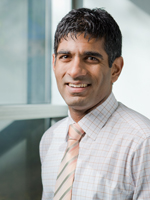
Amitabh Gulati, MD
Program Director, Tri-Institutional Pain Medicine Fellowship
Assistant Attending Anesthesiologist, Memorial Sloan-Kettering Cancer Center
Assistant Professor of Clinical Anesthesiology
Contact:
Marlene Augustine
Phone: (212) 746-2785
E-mail: maa2010@med.cornell.edu
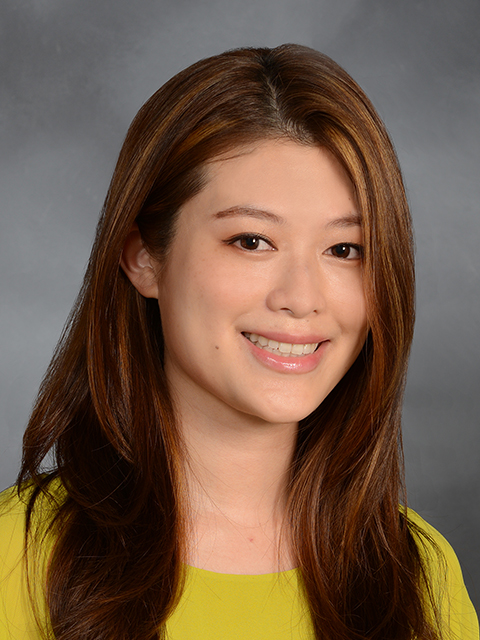
Tiffany Lin, MD
Associate Program Director, Tri-Institutional Pain Medicine Fellowship
Assistant Professor of Clinical Anesthesiology
Current Fellows
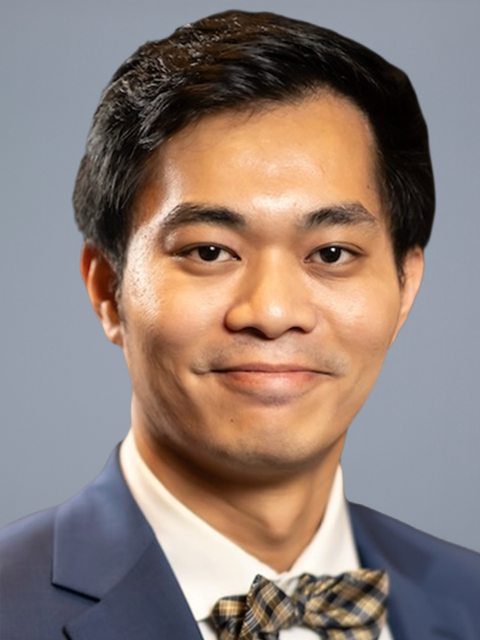
John Encarnacion, MD
2026-2027
Dr. Encarnacion was born in Raleigh, North Carolina, and raised in the Research Triangle Park area. He earned his undergraduate degree from North Carolina State University before completing medical school at The University of North Carolina at Chapel Hill. He then moved to New York City to pursue residency training in anesthesiology at NewYork-Presbyterian/Columbia University Irving Medical Center.
Outside of the hospital, Dr. Encarnacion enjoys exploring New York City’s food scene, traveling, strength training, cheering on the Knicks, and spending time with his miniature dachshund, Boba.
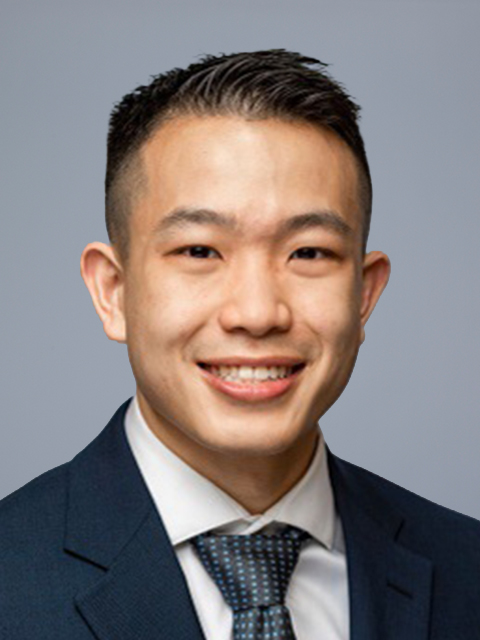
Cary Huang, MD
2026-2027
Dr. Huang grew up in Michigan, where he completed his undergraduate education at the University of Michigan. He subsequently attained his medical degree at the University of Illinois in Chicago, and completed his residency in anesthesiology at NewYork-Presbyterian/Weill Cornell Medical Center.
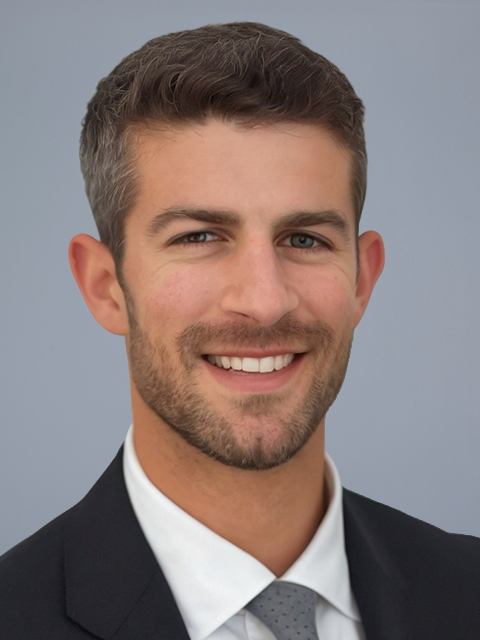
David Jevotovsky, MD, MBA
2026-2027
Dr. Jevotovsky was born and raised in Rochester, NY. He completed his undergraduate education at Emory University before obtaining a dual degree from NYU's Grossman School of Medicine and Stern School of Business. He subsequently completed his residency training in Physical Medicine & Rehabilitation at NYU Rusk Rehabilitation.
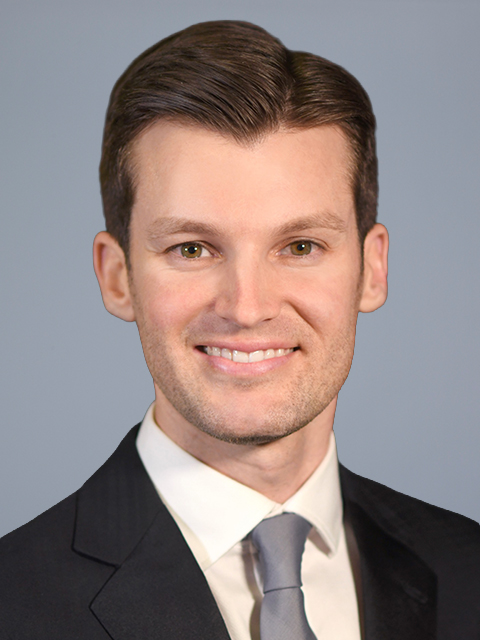
Eric Jones, MD
2026-2027
Dr. Jones was born and raised in Oak Park, California. He completed his undergraduate education at the University of California, Davis and his medical training at California Northstate University College of Medicine. He subsequently completed an internal medicine internship at the University of Texas Southwestern Medical Center and residency training in physical medicine and rehabilitation at The Mount Sinai Hospital in New York City.
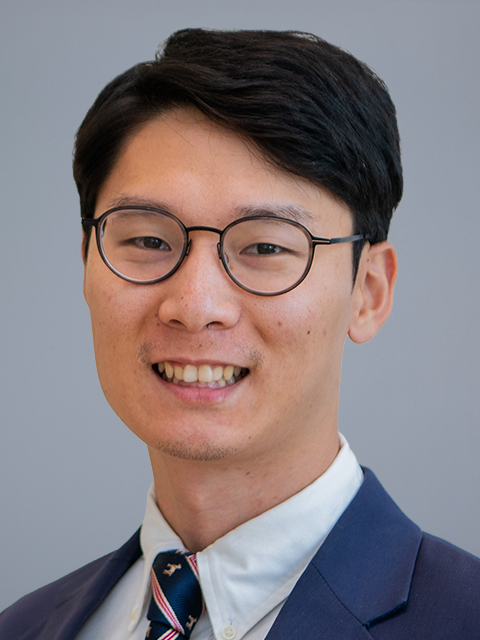
Jun Beom Ku, MD
2026-2027
Dr. Ku grew up in Lenox Hill, New York. He completed his undergraduate education at the University of Michigan, earning a Bachelor of Science degree in mathematics. He went on to complete his medical degree at the University of Toledo College of Medicine as part of the Medstart program. He then completed his physical medicine and rehabilitation residency at the New York Medical College program. With his keen interests in regenerative medicine and neuromodulation, he has co-authored multiple publications delving into the topics of stem cell therapy and peripheral nerve stimulation. One of his review papers, “Neuromodulation for craniofacial pain and headaches,” received recognition as a Biomedicines Editor’s Choice Article.
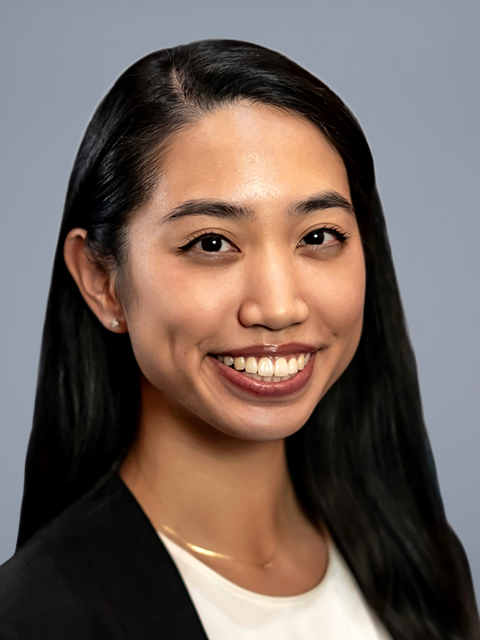
Jasmine Lin, MD
2026-2027
Dr. Jasmine Lin was born and raised in New Jersey. Prior to pursuing medicine, she competed for two years on Team USA’s Junior Synchronized Ice Skating Team. She then completed her undergraduate education at Rutgers University before earning a Masters of Science in Neuroscience from Columbia University and her medical degree from Rutgers New Jersey Medical School. She completed her internal medicine internship at Overlook Medical Center, and subsequently anesthesiology residency at the University of North Carolina where during her final year she served as part of an international clinical outreach and education team in Malawi.
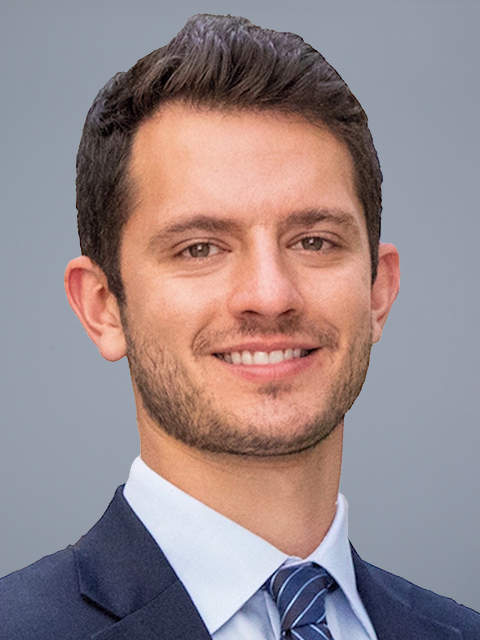
Benjamin Mirman, MD
2026-2027
Dr. Mirman was born and raised in Chicago, Illinois. He completed his undergraduate education at Duke University and his medical training at Brown University. He subsequently completed his residency training in anesthesiology at Mount Sinai Hospital, where he served as Education Chief Resident during his final year of residency.
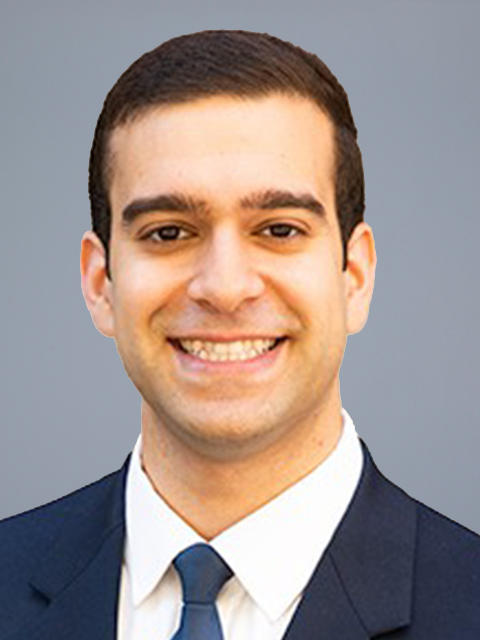
Amir Taree, MD
2026-2027
Dr. Taree was born and raised in Vienna, Austria and immigrated to the U.S. at the age of 6 where he grew up in New Jersey. He completed his undergraduate education at Dartmouth College. He went on to complete his medical degree at the Icahn School of Medicine at Mount Sinai. He then completed anesthesiology residency at the Icahn School of Medicine at Mount Sinai – Mount Sinai Hospital.