Clinical
Our Thoracic Anesthesiology team at Weill Cornell Medicine provides general anesthesia for over 1,000 procedures annually, including lung resection, esophagectomy, mediastinal mass resection and tracheal resection. We also participate in interventional pulmonology cases treating pathologies like tracheobronchial stenosis and intraluminal airway masses. These cases employ a variety of specialized airway techniques including single-lung ventilation via double-lumen endotracheal tubes and bronchial blockers, fiberoptic bronchoscopy and jet ventilation for rigid bronchoscopy. Our team employs a variety of regional anesthesia techniques including neuraxial procedures and truncal nerve blocks, to supplement more traditional intravenous analgesia approaches.
Education
The goal of the thoracic anesthesia rotation is to provide the resident with clinical experience in the anesthetic management of patients undergoing thoracic surgery. This clinical experience is supplemented by formal and informal didactics, instruction and guided independent study. With the completion of this >rotation, trainees will demonstrate proficiency in caring for patients with complicated medical problems in a compassionate manner. This includes the preoperative evaluation, intra-operative management, and post-operative care utilizing the most current medical knowledge pertinent to each case.
The Thoracic Anesthesiology Fellowship
The Thoracic Anesthesiology Fellowship incorporates 12 months of extensive clinical experience with clinical/basic science research and exposure to allied specialties such as pulmonary function testing. Fellows develop independence providing anesthesia for a wide range of procedures including, but not limited to, lung resections, tracheal resections, esophagectomies, and anterior mediastinal masses. Our program also includes extensive exposure to interventional pulmonology procedures treating tracheal stenoses and endobronchial lesions and incorporates extensive use of jet ventilation for rigid bronchoscopy procedures. Throughout the year, the fellow will also assume a broader role in supervising junior residents, thereby aiding in the transition from trainee to independent practitioner.
Educational responsibilities for the thoracic anesthesiology fellow include directing the divisional monthly journal club as well as presenting during the departmental Grand Rounds lecture series. The fellow will also have the opportunity to participate in ongoing clinical research endeavors taking place during their fellowship year.
Participation in a scholarly research project during the course of the fellowship is required, for which sufficient non-clinical time is allotted.
Learn more about the Thoracic Anesthesiology Fellowship
Research
Members of the division are engaged in research in several areas within the perioperative sphere, including digital health technologies, wearable devices and machine learning, synaptic function and receptor signaling, pain management and coagulation patterns.
Faculty
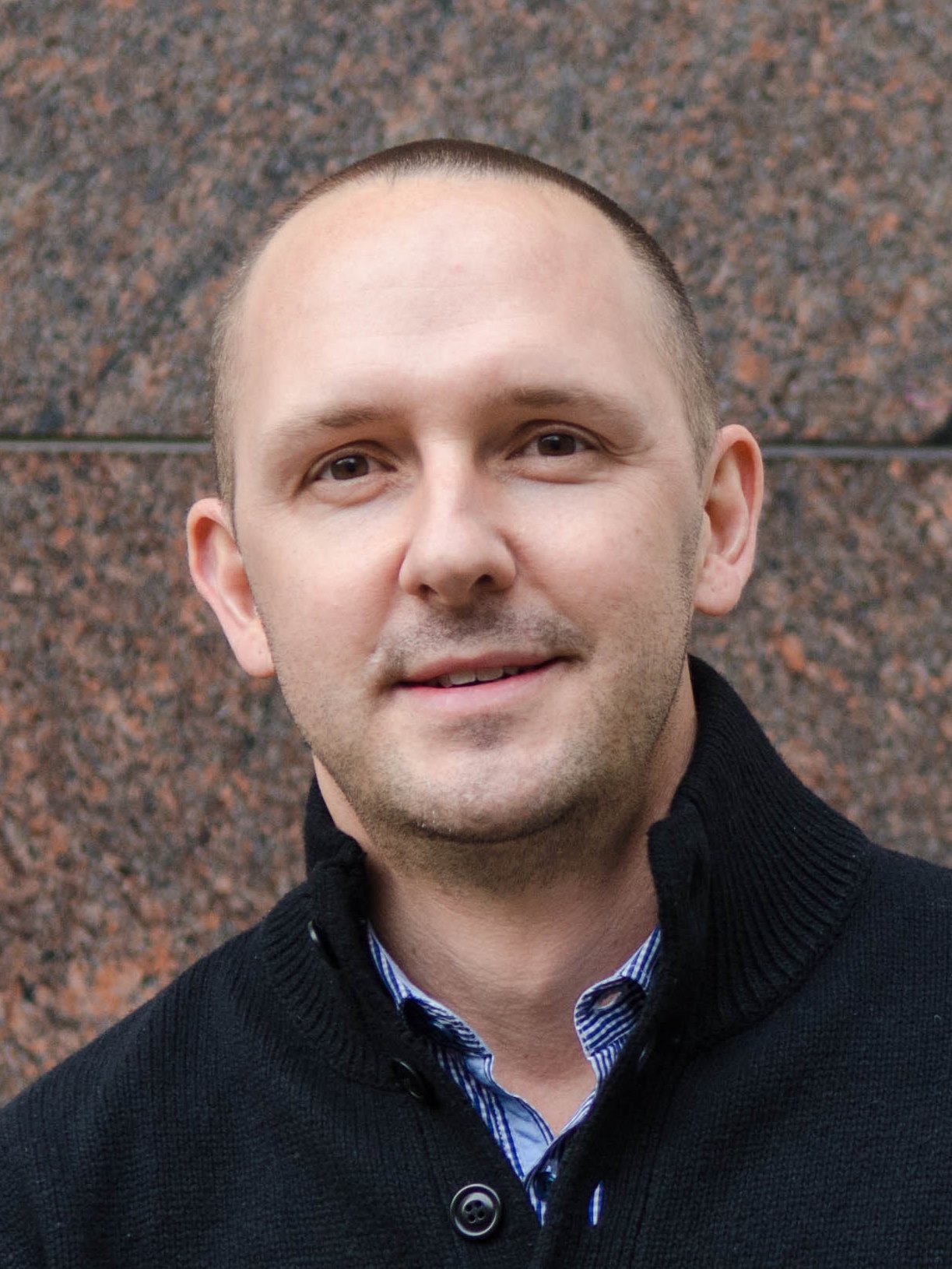
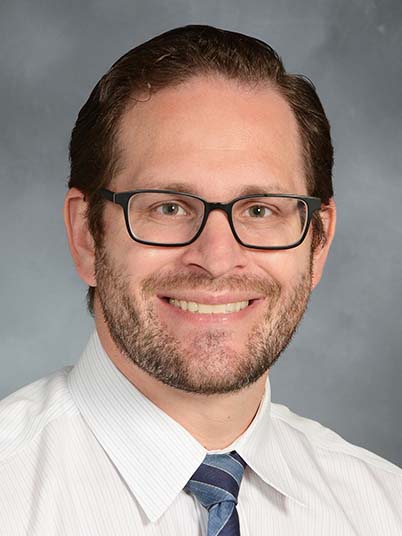
Matthew T. Murrell, MD, PhD
Director, Thoracic Anesthesiology
Program Director, Thoracic Anesthesiology Fellowship
Assistant Professor of Anesthesiology
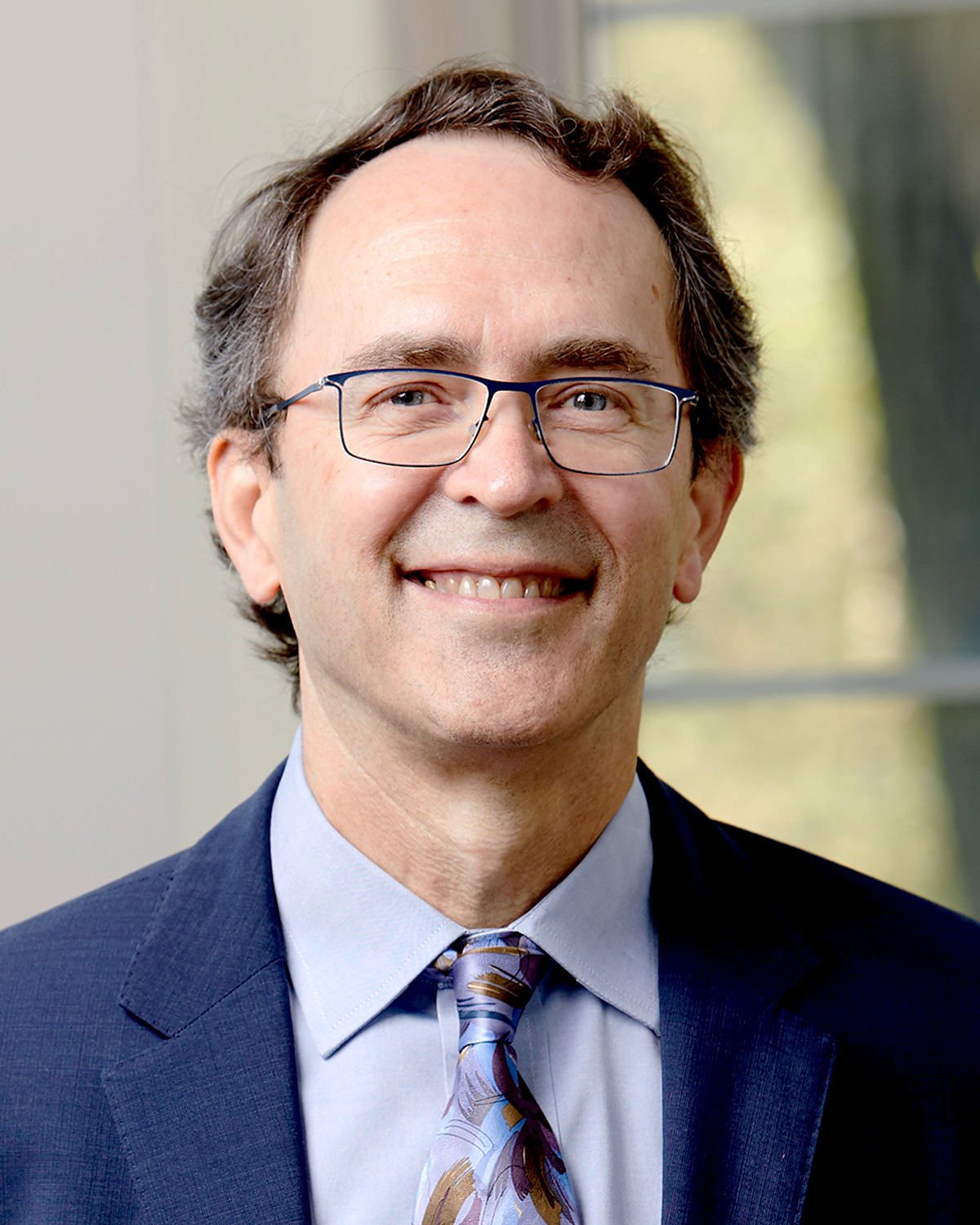
Hugh C. Hemmings, Jr, MD, PhD, FRCA
Senior Associate Dean for Research
The Joseph F. Artusio, Jr. Professor and Chair, Department of Anesthesiology
Professor of Pharmacology, Weill Cornell Medicine
Anesthesiologist-in-Chief, NewYork-Presbyterian Hospital