

Welcome to the Adult Cardiothoracic Anesthesiology Fellowship
It is my pleasure to welcome you to the cardiothoracic fellowship at Weill Cornell Medicine. Our program was first established in 1989 and has been accredited since 2007, one year after the ACGME awarded accreditation to cardiothoracic fellowships nationwide. Over the last 37 years, our program has produced numerous graduates that are amongst the leaders in the specialty of Cardiothoracic Anesthesiology today.
Our mission is to train world-class, versatile cardiothoracic anesthesiologists who are experts in perioperative medicine and echocardiography. Our fellows receive a comprehensive and rigorous curriculum rich with a broad variety of clinical and educational experiences that primes them for excellence in both academic and non-academic settings, as well as success in certification for Cardiac Anesthesiology through the American Board of Anesthesiology as well as National Board of Echocardiography in Advanced Perioperative Transesophageal Echocardiography (PTE).
Fellows in our program join a diverse and dynamic cardiothoracic anesthesiology team that is rich in clinical, educational and research experience. Collectively, our additional expertise ranges from critical care medicine to pediatric anesthesiology, as well as heart transplant, complex aortic surgery management, perioperative ultrasound, echocardiographic and clinical research, and applied education theory. Our faculty are also diverse in representation, coming together from many cultures, races, ethnicities, religions, and identities for the common goal of delivering expert, compassionate care of the highest caliber to all patients with cardiothoracic conditions.
Our 12-month fellowship provides a structured, mentored approach to learning and progressive independence. Our internationally renowned surgeons and cardiologists perform a broad range of routine, complex, and cutting-edge procedures, providing abundant clinical exposure to our graduates in their path to independent practice. We also partner with intramural and extramural departments to provide our fellows opportunities to broaden their clinical horizons and pursue their academic interests.
Thank you for your interest in our program, and I invite you to explore further as we describe our fellowship in more detail in the sections below.
Diana Khatib, MD
Assistant Professor of Clinical Anesthesiology
Program Director, Adult Cardiothoracic Anesthesiology Fellowship
Fellowship Program
Clinical Experience
[add what is special about this fellowship and what unique opps they have]
ACGME-accredited Fellowship in Adult Cardiothoracic Anesthesiology
Number of Positions: 3
Duration of training: 12 months
A two-year commitment in partnership with our Anesthesiology Critical Care fellowship is available.
Setting
All required rotations take place at NewYork-Presbyterian Hospital/Weill Cornell Medical Center, the affiliate hospital of Weill Cornell Medicine. Attending physicians are faculty of Weill Cornell Medicine, the medical school of Cornell University. The hospital is located at 525 East 68th Street on the Upper East Side of Manhattan in New York City.
Fellowship Structure
Our fellowship consists of 9 months of mandatory clinical activity, comprised of:
- 6 months (minimum) of cardiac anesthesiology
- 1 month of critical care medicine
- 2 weeks of thoracic anesthesiology
- 2 weeks of electrophysiology
Up to 2 months of elective time is available. Fellows are encouraged to tailor their electives according to their interests, and assistance will be offered to facilitate successful achievement of their learning objectives. Prior fellow elective experiences include:
- Perioperative echocardiography and POCUS
- Clinical electives
- Advanced heart failure cardiology
- Heart and lung transplant
- Pediatric cardiac anesthesiology
- Critical care medicine
- Thoracic anesthesiology
- Structural Heart Interventions
- Perfusion
- Electrophysiology
- Transthoracic Echocardiography
- Transfusion Medicine
- Education and Simulation
- Clinical Research
Clinical Setting
Our fellowship provides immersive clinical experiences for a broad variety of cardiothoracic conditions, including:
- Open cardiac surgery, including
- Coronary revascularization
- Valve surgery
- Surgery of the thoracic aorta (ascending, arch and descending)
- Pulmonary thromboembolectomy
- Heart Transplantation
- Surgery for advanced heart failure, including ventricular assist devices (VAD) and extracorporeal membrane oxygenation (ECMO)
- Adult and pediatric congenital heart surgery
- A wide variety of surgical approaches, including off-pump, robotic and minimally invasive surgery
- Thoracic surgery, including
- Video-assisted thoracoscopic surgery (VATS) and lung resection
- Robotic thoracic surgery
- Esophageal surgery
- Tracheal and airway surgery
- Interventional Cardiology, including
- Hybrid surgical procedures
- Catheter-based interventions including valve implantation (transvascular valve replacements of all heart valves, percutaneous valve repair, valve-in-valve procedures) and closure of acquired and congenital cardiac defects (paraprosthetic valve leaks, congenital defects)
- Electrophysiologic procedures, including simple and complex arrhythmia ablations, rhythm device implantation and atrial appendage closure
Responsibilities
Our fellows have responsibilities that develop clinical, professional and administrative skills that are key qualities for the future cardiac perioperative leader.
- Clinical
- Fellows provide anesthesia for a variety of cardiothoracic surgical procedures, with experience both as the primary anesthesia provider (working without a resident) and as a teacher and supervisor (working with a resident).
- Fellows are under the supervision of an attending anesthesiologist at all times, with conditional independence conferred progressively throughout the year.
- Professional
- Fellows represent the Division of Cardiac Anesthesiology as consultants both within the Department of Anesthesiology and to other specialty services within the hospital, including cardiology, gastroenterology, obstetrics and gynecology, pediatrics and emergency medicine.
- In addition, there are opportunities to teach and mentor Weill Cornell Anesthesiology residents in their learning and development.
- Administrative
- Fellows are actively involved in creating their own schedules and assignments, and have hands-on experience with managing and coordinating a busy cardiac anesthesiology service.
Perioperative Echocardiography
Our caseload provides a comprehensive, robust and immersive experience in perioperative echocardiography. Fellows typically perform 160-300 unique echocardiographic examinations over a 12-month period (and a proportionately greater number of echo reads), easily surpassing the required numbers for Advanced Perioperative TEE certification. Fellows have protected time to participate in our echo didactic program, which is comprised of:
- Formal didactic lecture program: These are regular 30-60 minute sessions that are held throughout the year, with topics spanning the echocardiographic curriculum.
- Echocardiography simulator
- August Echo Boot Camp
- Self-guided TEE study curriculum
- Bi-monthly formal echo Rounds
- Regular echo reading sessions
- Yearly participation in the New York City-wide echocardiography conference, which brings together all New York City cardiothoracic fellowship programs.
Academic Activities & Opportunities
Structured Learning Activities
Didactics and Education
- Anesthesiology Grand Rounds. These are held every Monday morning with participation from all members of the Department of Anesthesiology, with presentations from national and international experts in anesthesiology, critical care and related specialties.
- Cardiac Anesthesiology Conference. Held every Tuesday morning, conference topics include didactic lectures, case discussion, problem-based learning, echocardiography review, evidence-base and guidelines updates and quality and performance improvement.
- High-Fidelity Simulation. These are held by simulation-trained faculty in the Skills Acquisition and Innovation Laboratory (SAIL) of Weill Cornell Medicine
- Fellow Didactics. In the first quarter, an intensive lecture series designed to establish foundational knowledge to new fellows for successful transition into clinical duties. After the intensive period, the lectures settle into one-two didactic sessions per week pertinent to clinical care of the cardiac patient in addition to scheduled echocardiography didactics.
- Journal Club. These are held 4-6 times per year. Fellows are expected to present articles of their choice, with mentoring from cardiac anesthesia faculty and invited faculty with statistical and research expertise.
- Interdisciplinary conferences. Fellows are encouraged to attend conferences and lectures held in conjunction with cardiothoracic surgery, critical care medicine, and with general and subspecialty cardiology.
- Quality and Performance Improvement (QPI) Bootcamp. Held in August, this provides the background and structure to guide the initiation and success of fellow QPI projects for the year.
Curriculum
Our topics cover these areas:
- Self-guided TEE study curriculum
- [WHAT ELSE?]
External Conferences and Opportunities
- Fellows receive protected time to attend the Society of Cardiovascular Anesthesiologists (SCA) annual meeting and the SCA Echo Week. Support is provided for attendance to these meetings.
- Fellows are also encouraged to attend additional academic conferences related to our subspecialty, including those specific to critical care and cardiology. Financial support is available if the fellow is presenting original work.
Research and Scholarly Activity
Fellows are required participate in scholarly activities during their fellowship. Examples of scholarly opportunities for fellows include:
- Joining in to active ongoing trials and research projects in cardiothoracic anesthesiology and critical care,
- Developing an independent idea or project with department and/or institutional research support from the Department of Anesthesiology,
- Submitting peer-reviewed articles, and authoring textbook chapters,
- Presenting in a range of regional and national academic conferences. Meetings featuring our fellows in previous years include the New York City Echocardiography conference, the Postgraduate Assembly (PGA) of the New York State Society of Anesthesiologists, and the annual meetings of the Society of Cardiovascular Anesthesiologists, the American Society of Anesthesiologists, American Society of Echocardiography, and the International Anesthesia Research Society. Support is provided for such activities.
Goals, Objectives & Expectations
Our fellowship provides a comprehensive and rigorous curriculum that encourages a structured, mentored approach to independent learning. A brief summary of the fellowship learning objectives includes:
Patient Care
Clinical Cardiothoracic Anesthesiology
- Consult on cardiac and thoracic patients preoperatively and learn independent assessment and preparation of patients for cardiothoracic anesthesiology, including evaluating anesthetic risk and strategies to minimize perioperative morbidity and mortality.
- Develop expertise in:
- Monitoring and maintaining normal cardiac physiology during the perioperative period with consideration of patient’s disease processes.
- Managing of critically ill patients in the perioperative period
- Pain management for cardiothoracic surgical procedures
- Technical skills including placement of invasive monitoring (including central venous and pulmonary artery catheters, spinal drains, and complex arterial access), advanced airway management (including bronchoscopy, lung isolation techniques and advanced ventilation methods), and critical care procedures (including POCUS, thoracentesis, circulatory device management and cardioversion).
Perioperative Echocardiography
- Acquire expertise in perioperative echocardiography, applied across a wide variety of surgical cases and clinical situations
Medical Knowledge
Gain knowledge expertise in:
- A broad range of simple and complex cardiac and thoracic conditions, and their surgical management
- Functional cardiovascular and respiratory assessment, including diagnostic investigations
- The principles of extracorporeal cardiopulmonary support and basic management of these devices.
- The perioperative management of critically ill patients.
- Advanced cardiac and pulmonary resuscitation.
- Invasive and non-invasive approaches to ventilatory support.
Systems-Based Practice
- Lead interdisciplinary cardiac care teams in all clinical situations spanning the operating room, interventional cardiology, interventional radiology and the intensive care unit
- Engage in quality improvement and care optimisation projects for cardiothoracic surgical patients
Practice-Based Learning and Improvement
- Apply the fundamentals of conducting clinical research.
- Supervise, teach, and evaluate personnel, both medical and paramedical, involved in the care of cardiothoracic surgery patients.
Professionalism
- Lead and mentor anesthesiology residents in the perioperative care of cardiothoracic surgical patients
Interpersonal and Communication Skills
- Represent the cardiothoracic anesthesia team in multidisciplinary management of patients with complex cardiothoracic conditions
- Develop expertise in communicating with patients, families and health care professionals in routine and challenging clinical contexts.
Evaluation
- Each fellow is matched with a mentor that best suits their individual goals, learning styles and ambitions for their fellowship and beyond.
- The supervisory attending physicians provide formative assessment on a daily basis, and summative evaluations are performed quarterly. Both use a confidential online system. Fellows have access to their individual evaluations through this system.
- Fellows also review the program quarterly and the faculty bi-annually, and are invited to program evaluation meetings to give feedback and actively influence programming and other systems processes.
- The Fellowship Clinical Competency Committee meets quarterly to review, discuss and aggregate performance feedback. Following this meeting, each fellow will meet with the program directors and their faculty mentor to receive feedback in-person.
- At the end of the year a written summative evaluation is provided to the fellows and discussed with the program directors.
Resources, Salary, Housing and Life in NYC (Put on Fellowship Main page?)
General
All fellows are provided office space, computers with internet access and dedicated server file-share access. There is ample space for academic study and collaboration. On-call evening meals are provided by the department.
Licensure and Membership fees to the ASA, IARS, SCA and NYSSA are supported by the department.
Salary
Graduate staff rate for PGY-5 level trainees for the academic year 2025-2026 is $118,000, with 4 weeks paid annual leave.
Housing
In order to take advantage of a mostly home-call system, fellows are encouraged to live on the Upper East Side - although many choose to live elsewhere in New York City, commute, and stay in call rooms when working overnight. NewYork-Presbyterian Hospital does manage several modern apartment buildings within the neighborhood, though many fellows secure great, affordable rentals on the Upper East Side independently.
Graduate Staff Housing Packet, including rental rates:  2026 Housing Packet
Education
All fellows receive key textbooks in cardiothoracic anesthesiology and perioperative echocardiography at the start of the year:
- Kaplan’s Cardiac Anesthesia
- Clinical Manual and Review of Transesophageal Echocardiography by Joseph Mathew, et al.
- Perioperative Two-DimensionalTransesophageal Echocardiography: A Practical Handbook by Annette Vegas.
They also have access to a physical library with an essential collection of cardiac anesthesiology and echocardiography texts, as well as an exhaustive online repository via the Weill Cornell Medicine Samuel J. Wood Library.
Fellows are also provided academic days in addition to their protected education time to pursue their scholarly activities. A $900 educational stipend is also provided for all fellows, in addition to departmental support for presenting original work at academic conferences.
Simulation
Fellows have access to a transesophageal and transthoracic echocardiogram simulator, located in the fellow’s office for ease of access. In addition, fellows have access to specialty task trainers for advanced airway management as well as a high-fidelity simulation via the Skills Acquisition and Innovation Laboratory (SAIL) of Weill Cornell Medicine.
Career Development and Mentoring
Fellows are welcome to join regular faculty and resident development sessions held by the Weill Cornell Anesthesiology. Topics range from academic planning, career promotion, financial planning and teaching skills.
Wellbeing
The health and wellbeing of our fellows is paramount, and both formal and informal resources are provided to our fellows to ensure their physical, psychological and social needs are fulfilled. Institutional resources for wellbeing include:
- Physical Health
- NYPBeHealthy is a comprehensive wellbeing program for NewYork-Presbyterian Hospital. Their services include personalized wellbeing coaches, biometric screening, physical fitness, healthy eating, mindfulness, meditation and yoga programs. Their service also provides confidential counseling to both you and your family.
- Psychological Health
- CopeNYP is a free urgent counselling program for all employees of Weill Cornell Medicine and NewYork-Presbyterian Hospital. Up to 4 counselling sessions are provided free of charge.
- HouseStaff Mental Health Services: Weill Cornell Department of Psychiatry offers completely confidential, short term care at no cost (up to 8 sessions are free).
- Workforce Health and Safety: Also offers confidential counselling for the individual or groups.
- Social Health
- Financial Advice: NewYork-Presbyterian hospital a retirement counselling service for employees via Prudential financial services.
- Back-up Family Care: NewYork-Presbyterian provides subsidized child and adult/elder care services via Bright Horizons.
- Social Support: The Residency Support Council provides social outreach and support within the Department of Anesthesiology.
How to Apply
Qualifications, an applicant must have attended medical school followed by successful completion of four or more years of residency training in anesthesiology in an ACGME accredited program.
According to our hospital GME policy, we are only able to accept J-1 or O-1 visas at this time. We do not sponsor H1-B visas.
Special consideration will be made for exceptional applicants who are interested in completing our Cardiothoracic Anesthesiology fellowship and our Anesthesiology Critical Care Medicine fellowship in sequence. Candidates interested in being considered for acceptance to both programs should present their formal application using the steps below and send a separate letter of intent to anes-programs@med.cornell.edu.
Application. This program participates in the San Francisco Match (SF Match). SH Match provides the Central Application Service (CAS), which distributes applications to training programs. The use of CAS is mandatory, and assures that applications are uniform, complete, and distributed in an orderly fashion. Register online via the SF Match website.
Projected timeline for applications for the 2027-2028 academic year application season:
SF Match registration begins: November on sfmatch.org
Application deadline: March 15 on sfmatch.org
Interview period: January - April 30
Rank lists due: June on sfmatch.org
Match results: June 19 on sfmatch.org
Fellowship Training Start Date: July--August 2027
Fellowship Leadership
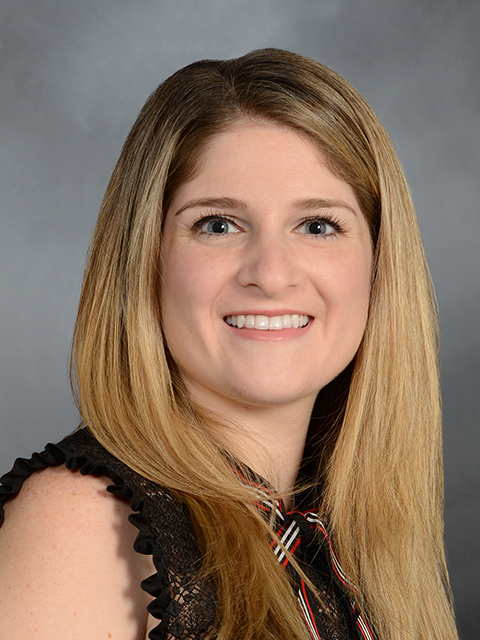
Diana Khatib, MD
Program Director, Adult Cardiothoracic Fellowship Program
Assistant Professor of Clinical Anesthesiology
Phone: 212-746-2962
Email: dik9025@med.cornell.edu
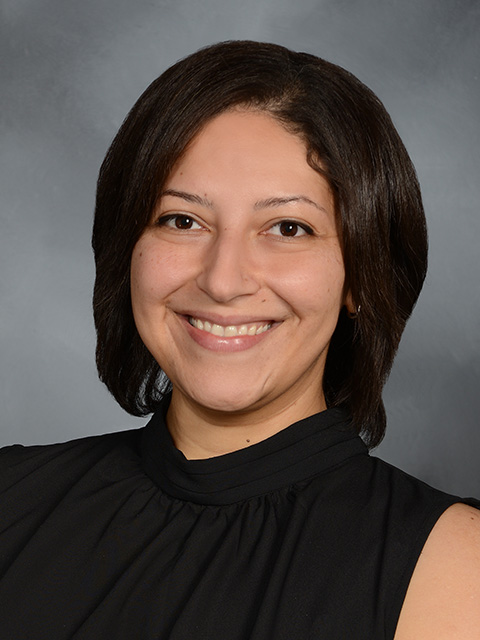
Rowaa Ibrahim, MB, BCh
Associate Program Director, Adult Cardiothoracic Fellowship Program
Assistant Professor of Clinical Anesthesiology
Phone: 212-746-2962
Email: roi4004@med.cornell.edu

Marlene Augustine
Fellowship Program Coordinator
Department of Anesthesiology
Weill Cornell Medicine
525 East 68th Street, Box 124
New York, NY 10065
Office: 212-746-2785
Fax: 646-962-1920
Email: anes-ctfellowship@med.cornell.edu
Faculty and Services
Teaching Faculty
Cardiac Anesthesiology / Cardiothoracic Critical Care Medicine
Meghann Fitzgerald, MD, Chief, Cardiac Anesthesiology
Shanna Hill, MD
Diana Khatib, MD
Maria Betances Fernandez, MD
June Chan, MB BS FANZCA
James Coleman, MD, MA
Marguerite Hoyler, MD
Rowaa Ibrahim, MBBCh
Natalia Ivascu Girardi, MD
Adam Lichtman, MD, FASE
Lisa Rong, MD
Olga Rozental, MD, PhD
Liang Shen, MD, MPH
Mark Slomovits, MD
Julia Sobol, MD, MPH
Ankur Srivastava, MD
Sheida Tabaie, MD
Maria Walline, MD
Hannah Wunsch, MD, MSc
Thoracic Anesthesiology
Hugh C. Hemmings, Jr., MD, PhD, FRCA
Matthew Murrell, MD, PhD
Eric Brumberger, MD
Daniel Cook, MD
Jaideep Malhotra, MD
Pediatric Anesthesiology
Ariel Anderson, MD
Maria Walline, MD
Learn more about our faculty