


The Obstetric Anesthesiology Fellowship at Weill Cornell Medicine is a 12-month, ACGME-accredited program designed to provide advanced clinical training, academic development and leadership preparation in obstetric anesthesiology. The fellowship is based at NewYork-Presbyterian/Weill Cornell Medical Center within the Alexandra Cohen Hospital for Women and Newborns, a state-of-the-art tertiary referral center serving a diverse and medically complex obstetric population.
The program is designated as a SOAP Center of Excellence and operates within a highly collaborative, multidisciplinary care model involving obstetrics, maternal–fetal medicine, cardiology, neonatology, transfusion medicine, hematology, interventional radiology and critical care.
With more than 8,500 deliveries annually, a ~95% neuraxial labor analgesia rate, a <2% general anesthesia rate, and established multidisciplinary programs for placenta accreta spectrum (PAS) and cardiac disease in pregnancy, fellows gain extensive exposure to both routine and high-risk obstetric anesthesia.
Fellows are actively involved in the management of high-acuity, medically complex parturients, including those with:
- Cardiovascular disease: congenital and acquired heart disease, pulmonary hypertension, cardiomyopathy, and advanced valvular pathology
- Neurologic conditions: intracranial pathology, neuromuscular disease, and elevated intracranial pressure requiring nuanced anesthetic planning
- Hematologic and coagulation disorders: thrombocytopenia, inherited or acquired coagulopathies, anticoagulation management, sickle cell disease, and patients at high risk for obstetric hemorrhage
- Musculoskeletal and spine pathology: severe scoliosis, prior spinal instrumentation or fusion, connective tissue disorders, and other anatomic challenges impacting neuraxial access and anesthetic strategy
The service frequently coordinates care for patients at elevated risk of hemorrhage and coagulopathy, utilizing goal-directed transfusion strategies and point-of-care coagulation testing within well-established multidisciplinary pathways.
Additional clinical exposure includes management of critically ill obstetric patients requiring invasive monitoring, vasoactive infusions, and intensive care support, as well as multidisciplinary coordination for patients undergoing interventional radiology procedures and cardiac interventions during pregnancy and the peripartum period. Fellows also participate in anesthetic planning for non-obstetric surgery in pregnancy and provide longitudinal antenatal consultation for patients with complex medical comorbidities.
Mission Statement
The fellowship prepares graduates for careers in academic obstetric anesthesiology, leadership roles in high-acuity obstetric programs, and advanced clinical practice in maternal care.
The mission of the Obstetric Anesthesiology Fellowship is to:
- Train world-class obstetric anesthesiologists who promote maternal health and well-being
- Develop innovative educators and scholars who advance the field
- Cultivate leadership in multidisciplinary obstetric care
- Deliver excellence through evidence-based, patient-centered practice
Core program values include curiosity, empathy and dedication.
Fellowship Program
Goals and Objectives
Number of Positions: 1
Duration of training: 12 months
By completion of the fellowship, graduates will be able to:
Clinical Excellence
- Independently manage anesthetic care for labor, cesarean delivery, and obstetric emergencies
- Provide expert anesthetic consultation for patients with complex medical comorbidities
- Lead anesthetic planning and intraoperative management for placenta accreta spectrum cases
- Apply advanced neuraxial, general anesthesia, and point-of-care ultrasound techniques
Systems-Based Practice and Leadership
- Coordinate multidisciplinary care across obstetrics, maternal–fetal medicine, cardiology, neonatology, and transfusion services
- Demonstrate effective triage, communication, and decision-making in a high-acuity labor and delivery environment
- Serve as a consultant anesthesiologist for obstetric anesthesia services with progressive independence
Education and Scholarship
- Teach and supervise anesthesiology residents and medical students in clinical and simulation settings
- Design and deliver didactic and simulation-based educational content
- Complete scholarly work suitable for national presentation and publication
Curriculum and Rotations
Core Clinical Experience
- Labor and Delivery – 32 weeks
Fellows are fully integrated into a busy academic labor and delivery service and progress through a structured model of increasing responsibility. - Progressive Independence Framework
- Early Fellowship: Refinement of neuraxial techniques, mastery of labor and delivery systems, and exposure to high-risk consultations
- Mid-Fellowship: Supervision and teaching of residents, leadership during daytime operations, and increased autonomy in complex cases
- Late Fellowship: Consultant-level practice, service leadership, multidisciplinary coordination, and independent decision-making with faculty oversight
- Fellows maintain hands-on procedural expertise through continuous clinical engagement and in-house overnight call.
- Fellows take approximately three in-house overnight calls per month:
- 2x Monday–Thursday: 4:30 PM–7:00 AM
- 1x Friday–Saturday: 4:30 PM–8:00 AM
- Fellows receive guaranteed pre-call and post-call days off and have no weekend daytime obligations outside the monthly Friday evening-Saturday morning call shift. Call responsibilities include clinical care, procedural performance, supervision, and service leadership with attending support.
- Fellows lead the telemedicine-based antenatal anesthesia consultation clinic:
- One day per week
- Approximately 4–6 complex patients per session
- Focus on multidisciplinary planning and risk mitigation for medically complex pregnancies
Non-Core Clinical Rotations
- Maternal–Fetal Medicine – 2 weeks
High-risk obstetric clinics, antenatal rounding, fetal ultrasound exposure, joint case conferences, and cesarean delivery participation. - Neonatal Intensive Care Unit – 2 weeks
Daily NICU rounds, attendance at high-risk deliveries, neonatal airway and line placement exposure, and interdisciplinary teaching. - Transfusion Medicine – 2 weeks
Exposure to blood bank operations, coagulation testing, transfusion workflows, and ROTEM-guided clinical decision-making. - Simulation Design and Education – 2 weeks
Development and implementation of high-fidelity obstetric anesthesia simulations, structured debriefing, and educational innovation.
Research and Scholarly Time
- Approximately 12 weeks (distributed)
Protected time for research, quality improvement, educational scholarship, and academic productivity.
Elective Opportunities
- Global Health Elective (optional) coordinated through the Weill Cornell Global Health Initiative.
- Alternative elective opportunities may be arranged based on fellow interest, institutional capability, and feasibility.
Didactics, Simulation and Multidisciplinary Conferences
Educational activities are longitudinal and integrated throughout the fellowship.
Core Educational Activities
- Weekly faculty-led obstetric anesthesiology didactic sessions
- Monthly fellow-led journal club
- Daily bedside teaching of residents and medical students
- Monthly medical student teaching skills workshop
- See Sample Monthly Curriculum
Simulation
Fellows work closely with SAIL and XRAIL, the department’s simulation and extended-reality infrastructures, to:
- Participate in and lead high-fidelity obstetric crisis simulations
- Design simulation scenarios for resident and medical student education
- Conduct structured debriefings to reinforce learning
- Contribute to AI-, AR- and XR-enhanced educational initiatives
This experience prepares fellows for careers as educators and curriculum developers in academic anesthesiology.
Multidisciplinary Conferences
- Obstetric Cardiology Conference (monthly)
- Placenta Accreta Spectrum Conference (monthly)
- High-risk obstetric case conferences (ad hoc)
- Rotation-Specific Grand Rounds, Simulation and Didactics
Research, Scholarship and Quality Improvement
The fellowship emphasizes academic productivity and scholarly development.
Expectations include:
- Completion of at least one scholarly project suitable for presentation at the Society for Obstetric Anesthesia and Perinatology (SOAP)
- Leadership of a division-specific quality improvement initiative
- Mentorship of residents and medical students
- Submission of scholarly work for publication (strongly encouraged)
- Prior Fellow academic works
Support includes:
- Protected academic time
- Close faculty mentorship
- $900 educational stipend
- Textbook: Consults in Obstetric Anesthesiology - Suzanne Mankowitz
- Textbook: Obstetric Anesthesia: Principles & Practice - Chestnut & Wong
- Departmental support for presentation of original work at the Annual Meeting of the Society of Obstetric Anesthesia and Perinatology (SOAP)
Faculty, Mentorship and Evaluation
The fellowship is supported by a dedicated group of obstetric anesthesiology faculty with expertise in clinical care, education and research. Fellows receive individualized mentorship aligned with their career goals.
Evaluation framework includes:
- End-of-rotation evaluations
- Quarterly meetings with fellowship leadership
- Semiannual Clinical Competency Committee review
- Multisource (360-degree) feedback
The program emphasizes ongoing formative feedback and professional development.
Salary, Housing and Life in New York City
Salary
The salary for all Fellows in the Anesthesiology Department is $118,000.
Housing
The Cornell campus of NewYork-Presbyterian Hospital is located on the Upper East Side of Manhattan. Out of convenience, many housestaff live nearby on the Upper East Side, however fellows may choose to live elsewhere in New York City and commute. NewYork-Presbyterian Hospital does manage several modern apartment buildings within the neighborhood, though many residents secure great, affordable rentals independently.
Learn more: Graduate Staff Housing Packet, including rental rates
The Obstetric Anesthesiology Fellowship is characterized by a collaborative, supportive culture with strong camaraderie among fellows and faculty. Institutional wellness resources are available through NewYork-Presbyterian and Weill Cornell Medicine. The fellowship’s cental location provides access to world-class dining, arts, culture and diverse communities.
Learn more: New York City
How to Apply
Interested applicants must submit the Common Application as well as answers to the supplementary questions, both found on the SOAP website.
Register as an applicant to Obstetric Anesthesiology fellowship on SF Match.
Application timeline:
- Applications accepted: January–March
- Interviews: April
- Rank list deadline: June
- Match results: June
- Fellowship start date flexible
Eligibility:
- Completion of an ACGME-accredited anesthesiology residency
- Board eligibility or certification in anesthesiology
Fellowship Leadership

Klaus Kjaer, MD
Program Director, Obstetric Anesthesiology Fellowship
Professor of Clinical Anesthesiology
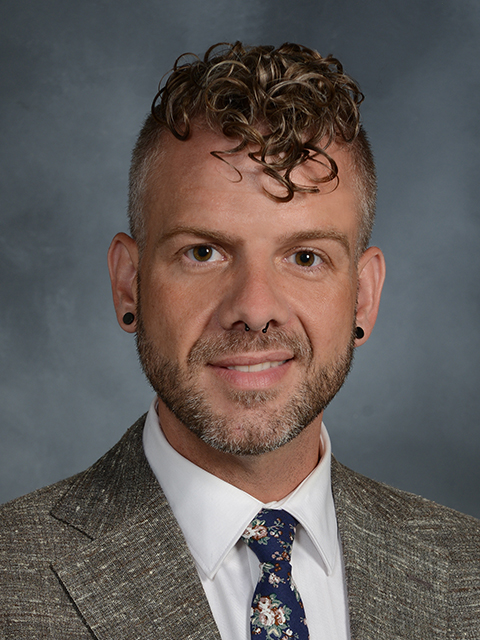
Joe Bryant-Huppert, MD
Associate Program Director, Obstetric Anesthesiology Fellowship
Assistant Professor of Clinical Anesthesiology

Marlene Augustine
Fellowship Program Coordinator
Department of Anesthesiology
Weill Cornell Medicine
525 East 68th Street, Box 124
New York, NY 10065
Phone: (212) 746-2785
E-mail: maa2010@med.cornell.edu
Faculty
Sharon E. Abramovitz, MD, Chief, Obstetric Anesthesiology
Jaime Aaronson, MD
Rima Abhyankar, MD
Dorian Batt, MD
Hilary Gallin, MD, MBA
Hebah Ismail, MD, JD
Danielle McCullough, MD
Jason White, MD
Robert White, MD, MS
Current Fellow
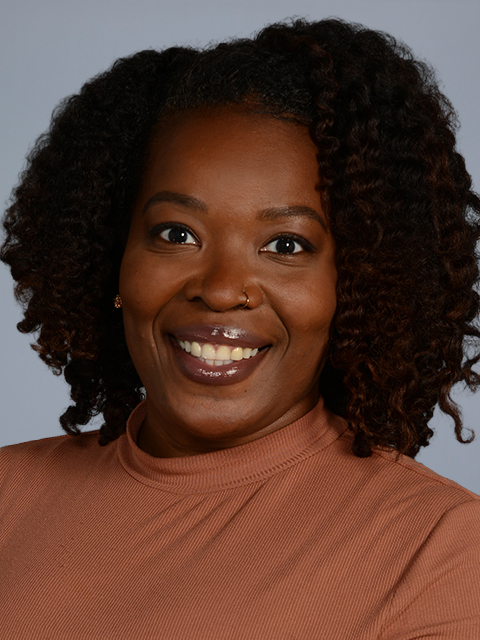
Zenobia Fausett, MD, MS
2026-2027
Dr. Faussett was born and raised in Queens, New York. She completed her undergraduate education at New York University, master’s in biomedical sciences at Drexel University, and her medical training at Howard University College of Medicine. She subsequently completed her residency training in anesthesiology at NewYork-Presbyterian/Weill Cornell Medical Center.
Former Fellows

Catherine Keim, MD
2025-2026

Marcia Chen, MD
2024-2025

Kyle Sullivan, MD
2023-2024

Kristine Villegas, MD
2022-2023
Joe Bryant-Huppert, MD
2021-2022
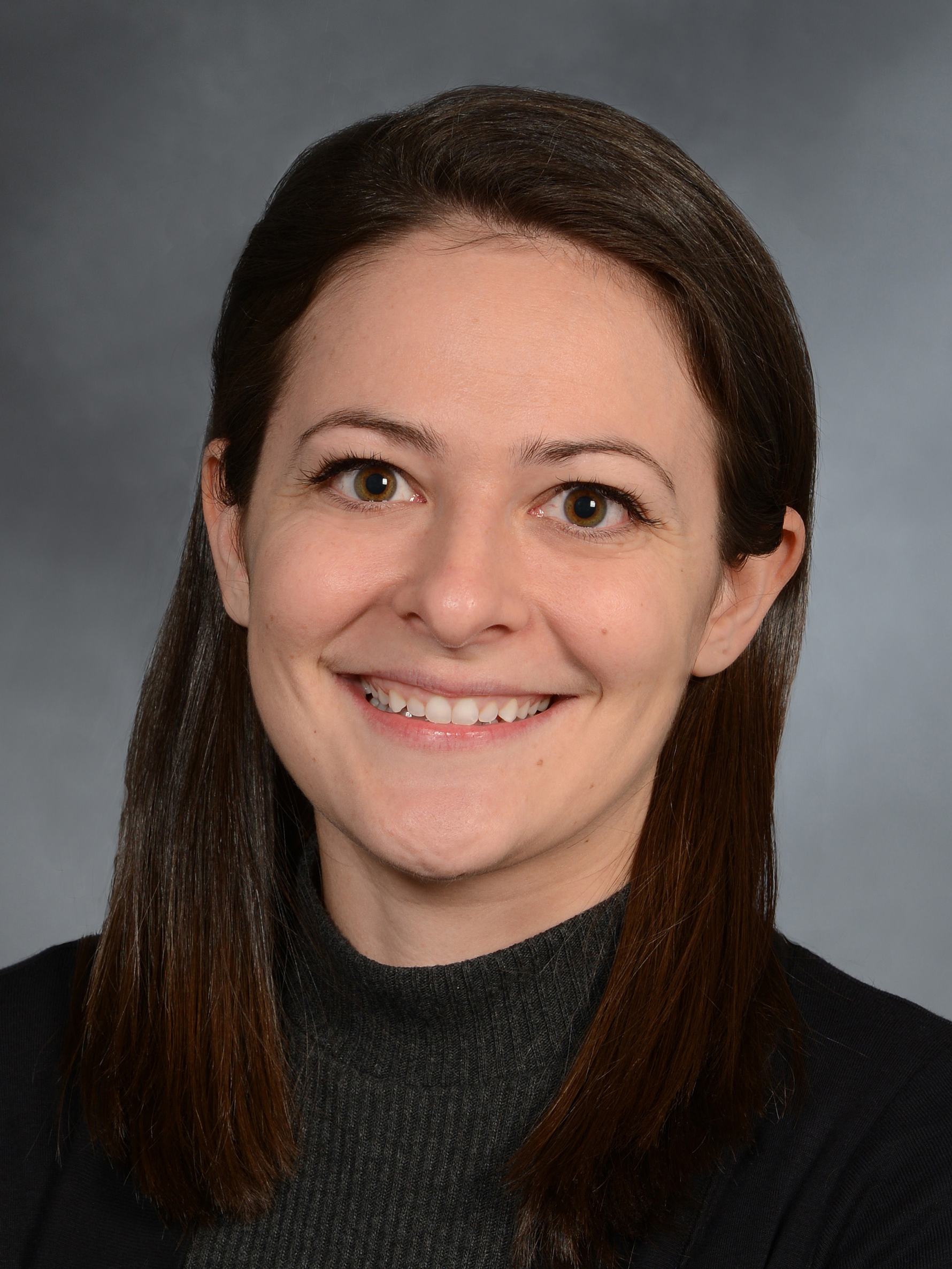
Laura Burey, MD
2019-2020
Angelica Delgado, MD
2020-2021
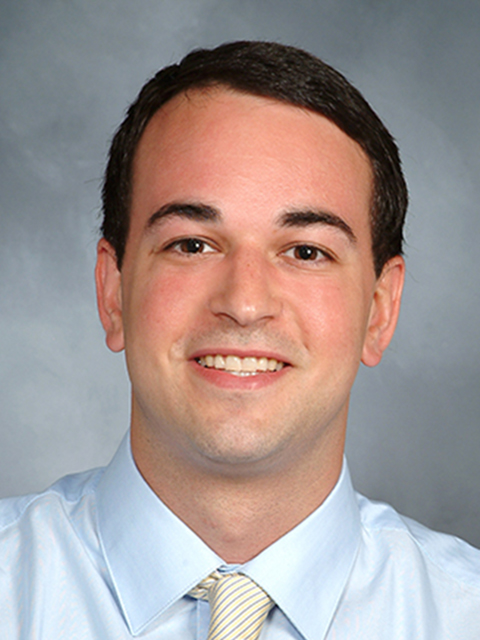
Robert White, MD, MS
2018-2019
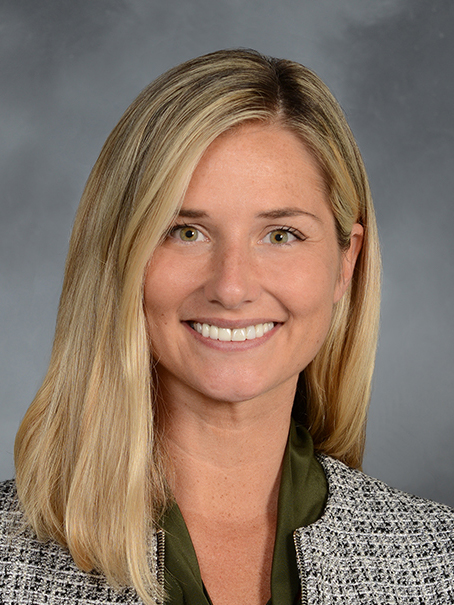
Jennifer Landon Wagner, MD
2017-2018

Emily Kahn, MD
2015-2016

Steven Beaudry, MD
2014-2015
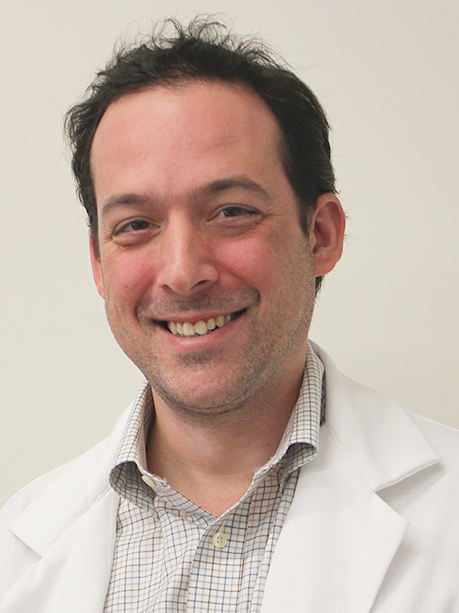
Jeremy Pick, MD
2013-2014
